The Dangers and Implications of Ordering High-Quality Counterfeit Money
In a world where digital currency is ending up being significantly prominent, the allure of high-quality counterfeit money persists, tempting some into a web of unlawful activity. This article aims to supply an informative overview of counterfeit money, why individuals may be tempted to order it, the legal implications included, and the tactics often used to fight this continuous concern.
Understanding Counterfeit Money
Counterfeit money refers to currency that has actually been synthetically produced or altered with the objective to trick other s into thinking it is genuine. While the specific methods of counterfeiting have developed with technology, the detrimental effects on economies and people remain the same. This type of scams is not a victimless criminal activity; it has significant ramifications that can result in serious repercussions for both the counterfeiters and those who unwittingly utilize or distribute such currency.
Factors People Order Counterfeit Money
Regardless of the intrinsic dangers, people may feel obliged to look for high-quality counterfeit money for a variety of reasons:
- Financial Desperation: Some people might believe that counterfeit money is a fast repair to solve their monetary difficulties.
- Peer Pressure: In some cases, people may be influenced by good friends or criminal circles that normalize the usage of counterfeit currency.
- Perceived Anonymity: The internet has made it simpler to order counterfeit money under the guise of anonymity, leading some to underestimate the threats involved.
- Adventure of the Gamble: For a sector of society, the enjoyment related to 'getting away' with a criminal offense can be a considerable incentive.
The Legal Ramifications
Taking part in counterfeit currency operations is illegal and punishable under law. The charges for those captured counterfeiting or dispersing fake money can differ widely based on jurisdiction however often include large fines and considerable jail sentences. In the United States, for instance, people founded guilty of counterfeiting could deal with up to 20 years in jail. The law looks for to discourage both the production of counterfeit money and its blood circulation.
Subsequently, if one is caught having counterfeit money, even if they claim ignorance, they can still face severe legal consequences. Authorities normally do not see the usage of counterfeit currency as a separated crime; instead, they consider it part of a wider network of financial fraud.
The Impact on the Economy
The effects of counterfeit money can ripple through the economy. Here are some of the potential effects:
- Devaluation of Currency: When large quantities of counterfeit money get in circulation, it can add to inflation and decrease the value of legitimate currency gradually.
- Loss of Trust: The frequency of counterfeit currency weakens trust in the monetary system. Businesses might end up being reluctant to accept cash payments, favoring digital deals rather.
- Increased Security Measures: As counterfeiting grows, organizations and governments purchase more advanced innovations to discover counterfeit money, increasing operational costs.
Combating Counterfeit Money
Provided the extensive implications, federal governments and institutions worldwide are continuously working to fight counterfeiting. Here are some common steps:
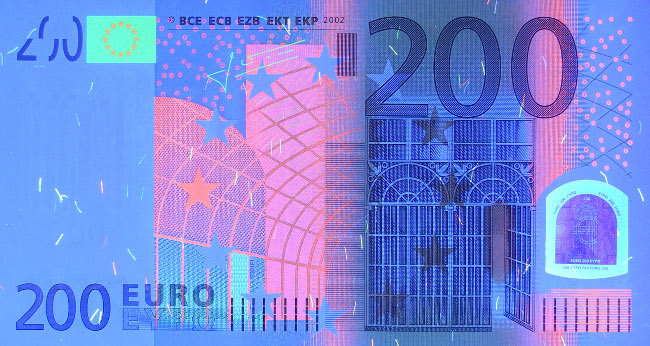
- Enhanced Security Features: Currency designs are regularly updated to include innovative security functions such as holograms, watermarks, and color-shifting inks.
- Public Awareness Campaigns: Governments typically execute instructional campaigns to teach people how to recognize counterfeit money.
- Cooperation with Law Enforcement: Agencies like the Secret Service in the United States are dedicated to investigating counterfeiting operations and collaborating with international partners.
- Advanced Printing Technology: Printing centers utilize innovative innovation to make sure that the production of currency is tightly controlled and monitored.
Regularly Asked Questions (FAQs)
What is the distinction between counterfeit money and fake money?
- Counterfeit money particularly describes replicas of legal tender created with the intention to deceive, while "fake money" can signify any replica currency, including novelty products.
Can I get in trouble for possessing counterfeit money if I didn't understand it was fake?
- Yes, most jurisdictions maintain strict liability laws regarding counterfeit money. Possessing counterfeit currency can result in legal effects, even without intent.
How can I recognize counterfeit money?
- Look for specific functions such as watermarks, security threads, and color-shifting inks. The feel of the paper and the presence of microprinting are likewise essential indications.
What should I do if I get counterfeit money?
- Report it to the authorities instantly. Avoid costs or passing it on, as this can result in legal problem for you.
Can counterfeit money damage my credibility?
- Definitely; being related to counterfeit currency can taint an individual's reputation, leading to mistrust in various professional and individual relationships.
While the idea of ordering high-quality counterfeit money may seem appealing to some, the dangers far outweigh any viewed shortcuts to financial relief. Taking part in counterfeiting is unlawful, postures significant dangers to people and the economy, and undermines trust in monetary systems. With consistent updates to currency security features and a focus on public awareness, authorities intend to stay one action ahead of counterfeiters. It is important for residents to remain vigilant and notified, understanding the implications of counterfeit money and the importance of preserving the integrity of the currency they use every day.